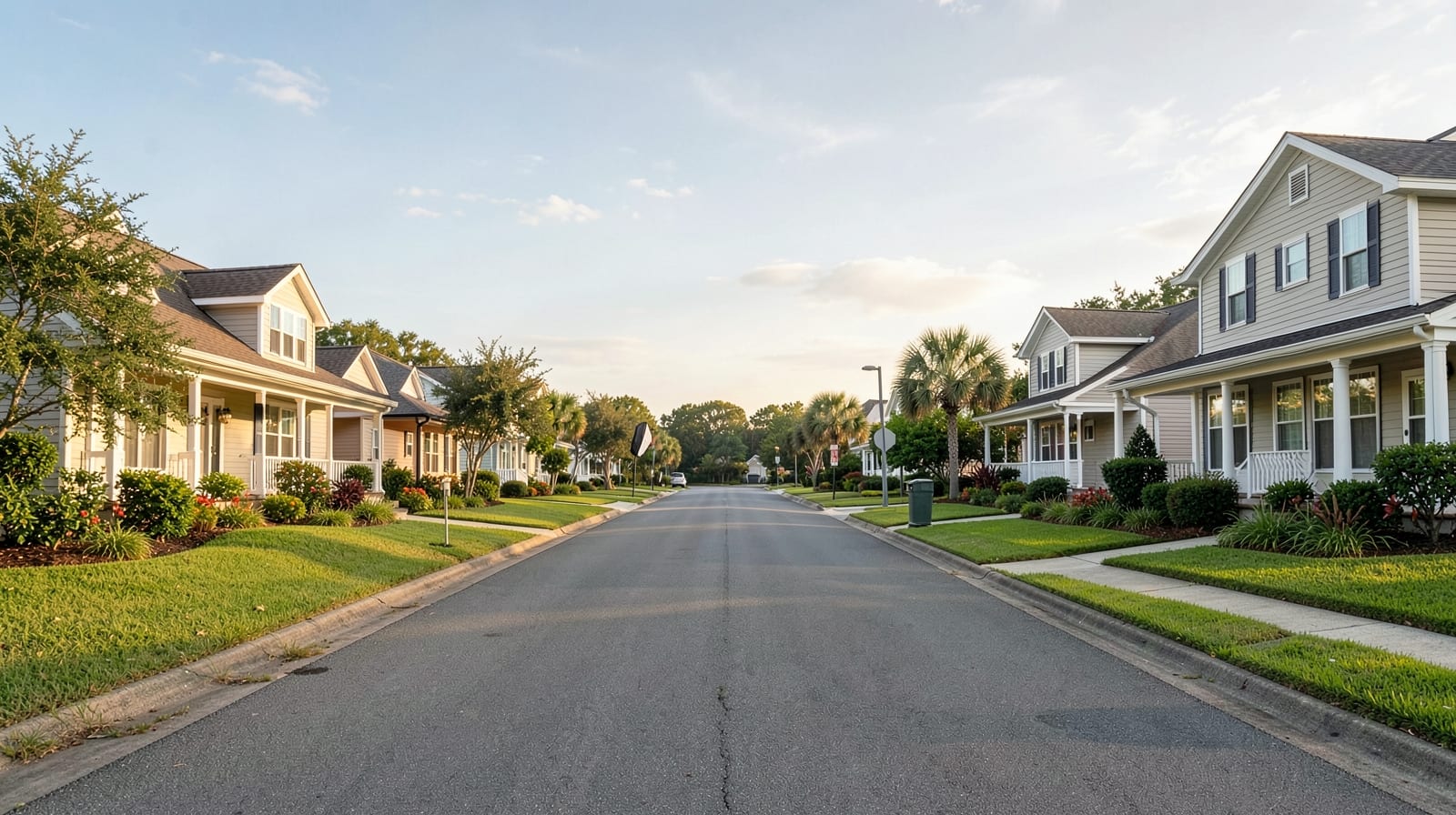
Mold Remediation in Kensington Park, FL
mold remediation for Kensington Park, FL properties — Kensington Park is a nearby community roughly 3.2 miles northeast of Sarasota.
Mold remediation in Kensington Park, FL works the same way it does anywhere else in the Sarasota coverage area — same scheduling, same pricing basis. Kensington Park is a nearby community roughly 3.2 miles northeast of Sarasota.
Kensington Park is a census-designated place (CDP) in Sarasota County, Florida, United States. The population was 3,697 at the 2020 census, down from 3,901 at the 2010 census.
We also handle Desoto Acres, FL and South Sarasota, FL for Sarasota properties.
Why mold remediation comes up in Kensington Park
Mold remediation in Kensington Park often comes up because of the area’s mix of older homes and the way water moves through its landscape. Many properties sit on large lots with subtle slopes, where rainwater and irrigation runoff can pool near foundations or seep into crawl spaces unnoticed.
The sandy soil drains quickly but doesn’t hold moisture long, so dampness lingers just below the surface until humidity rises—common in Florida’s warm, wet seasons.
Older homes in the area may have less advanced drainage systems, and even small leaks or roof gaps can go unchecked for days, letting mold take hold in hidden spots like subfloors or behind walls.
The work involves locating these damp zones, removing affected materials, and ensuring airflow to prevent regrowth, since the combination of sandy soil, seasonal humidity, and older construction creates ideal conditions for mold to persist if not properly addressed.
What the work involves, step by step
Containment. Plastic sheeting and negative-air machines seal the work area off from the rest of the property before any material is disturbed, so airborne spores generated during removal stay inside the containment zone instead of migrating through hallways and HVAC returns into rooms that were never affected.
Removal. Porous materials that have absorbed mold — drywall, insulation, carpet padding — are generally cut out and bagged inside containment rather than cleaned, since mold grows into these materials instead of sitting on the surface. Non-porous materials like framing and tile are scrubbed and treated instead of discarded.
HEPA air scrubbing and vacuuming. HEPA-filtered air scrubbers run continuously through the containment period, and surfaces are vacuumed with HEPA-filtered equipment rather than standard shop vacuums, because a standard filter passes mold spores straight back into the air instead of capturing them.
Structural drying. Industrial dehumidifiers and air movers bring the affected framing and subfloor down to a normal moisture reading before the space is closed back up, since mold regrows on damp material even after every visible trace has been removed.
Clearance testing. An independent post-remediation clearance test — air or surface sampling done by someone other than the crew that performed the removal — confirms spore counts are back to a normal range before containment comes down and the area is considered finished.
How to tell the work is needed in Kensington Park
There's a point where a mold problem stops being something to wipe down and starts being something to have removed properly, and the signs that mark that line are all things a property owner can notice directly.
Size is the clearest one: mold covering more than a small, isolated patch is generally past DIY scale, and several states — Texas among them — actually put a number on it, treating 25 contiguous square feet as the line between cleanup a homeowner can handle and work that requires a licensed contractor.
Growth that keeps coming back in the same spot after being cleaned is another clear signal, since it usually means the moisture source was never actually fixed rather than that the cleaning was done wrong.
A musty smell with nothing visible anywhere in the room often means the growth is hidden — inside a wall, under flooring, behind a shower — and a smell that gets noticeably stronger when the HVAC system turns on can mean it's inside the ductwork itself, spreading through every room the system reaches.
What goes wrong when the work is done badly
Containment breach spreading spores. A tear in the plastic sheeting, a door left propped open, or negative air pressure that isn't actually holding lets spores stirred up during removal drift into parts of the property that were never contaminated, turning a contained job into a much larger one.
Skipping HEPA filtration. Using a standard shop vacuum or a non-HEPA air scrubber instead of HEPA-filtered equipment doesn't capture spores — it recirculates them, since a standard filter is coarse enough to let mold spores pass straight through and back into the air of the work area.
Remediating without fixing the moisture source.
Removing every visible trace of mold without addressing the leak, condensation, or grading issue that caused it in the first place leaves the same materials exposed to the same moisture, and regrowth in the same spot within a matter of months is the predictable result.
What keeps the problem from coming back
Remediation removes what's already grown, but whether it comes back depends almost entirely on what happens after the crew leaves.
The single biggest factor is whether the actual moisture source — the leak, the condensation, the grading problem — was fixed, as opposed to just the visible mold; treating the symptom without the cause is the most common reason a property owner ends up calling for the same job again within a year.
Checking humidity in the previously affected room periodically through that first year, rather than assuming the issue is permanently closed, catches an early recurrence while it's still a small patch.
Rooms that run persistently damp because of poor airflow — a closet, a windowless bathroom, a corner of a basement — benefit from a small fan or a dehumidifier even after remediation is complete, since stagnant air is what let the original problem take hold.
And outside the house, soil that slopes toward the foundation or a downspout that empties right against the wall keeps feeding the same moisture problem back into a space that was just cleared.
What FL law actually requires
Florida licenses two separate mold roles through the Department of Business and Professional Regulation — mold assessor and mold remediator — under Chapter 468, Part XVI of the Florida Statutes.
8419) prohibits the same company from performing both the assessment and the remediation on the same property within a 12-month period, so the entity that identifies the problem cannot also be the one paid to fix it.
The rule exists specifically to prevent a conflict of interest between diagnosing a mold problem and profiting from its removal.
(Florida DBPR — Fla. Stat.
What the work costs around Kensington Park
Mold remediation around Kensington Park typically falls between $10 and $25 per square foot. That is the going estimate for the treated area on a standard remediation job. For the same square footage, confirmed black mold typically adds 15-25% on top of this range.
These numbers summarize public pricing research for this type of job rather than a quote from a specific company — actual pricing depends on the scope of the job and who is hired to do it.
Getting a couple of local quotes before booking is the simplest way to see where a specific job falls inside this range, since the final number always comes down to the provider actually doing the work, not this page. Source: Angi / HomeAdvisor, 2025-2026.
How to choose who does the work in Kensington Park
Does the estimate include inspection, testing, remediation, and clearance testing, or just part of it? Containment and clearance testing are often priced separately; a low number that excludes them isn't comparable to a full quote. Is a written scope of work provided before any work starts?
A scope in writing protects against price creep once demolition begins. Does the estimate specify the square footage or area being treated? Vague area estimates make it hard to compare bids apples-to-apples. Will a third-party lab test verify the mold species and confirm clearance after the work?
Some remediation methods skip independent testing, leaving no confirmation the job actually worked. What happens if hidden mold is found once walls are opened? Change-order pricing after demolition begins is a common source of disputes.
Has the state's contractor licensing requirement for mold work been checked directly with the state board? Mold remediation licensing rules vary by state, and some states have none, so it is worth confirming directly rather than taking a company's word for it.
Does the quote separate remediation, removing existing growth, from prevention, fixing the moisture source? Remediation without fixing the moisture source often means the growth returns.
A verbal price with no written, itemized scope. Without an itemized scope, there is no way to compare what is actually included between bids, or point back to what was promised if something is left out. A bid dramatically lower than every other estimate for the same square footage.
Work done without proper containment or clearance testing can look cheaper up front and cost more later if the contamination is not fully resolved. Full payment requested before any work has started. Paying in full upfront removes leverage if the job is not completed as scoped.
No mention of post-remediation clearance testing anywhere in the quote. Without a test confirming the space is clear afterward, there is no independent way to know the remediation actually worked. Pressure to sign the contract during the same visit as the inspection.
A legitimate scope of work takes time to write accurately; rushing the signature skips the chance to compare bids.
Services covered in Kensington Park, FL
Work booked through this page in Kensington Park covers Attic Mold Remediation, Carpet Mold Treatment, Vinyl Flooring Mold Treatment, HOA Mold Remediation, Salt Air Mold Remediation, Mold Removal & Remediation, HVAC Mold Remediation, Pipe Leak Mold Removal, and 30 other services listed on the services page.
Kensington Park sits inside the standard coverage area, so a quote for mold remediation follows the same process as everywhere else.
Where Kensington Park sits, and what the Census lists nearby
Kensington Park sits in Florida, and the closest places listed in the U.S. Census Gazetteer are The Meadows (1.3 miles east), Desoto Lakes (1.7 miles north), North Sarasota (1.7 miles west), Desoto Acres (2.3 miles northwest).
Within 25 miles of Kensington Park the same source lists 44 distinct incorporated places and census-designated places.
Those figures matter for mold remediation because they are straight-line distances between Census coordinate points: road mileage between Kensington Park and The Meadows runs longer than the 1.3 miles shown, which is why quotes for the same job differ between towns that look close together on a map.
Source: U.S. Census Bureau Gazetteer.
See Attic Mold Remediation for more, or browse everything on offer in Sarasota step by step for our complete lineup.
Serving Kensington Park, FL
Mold Remediation Services in Kensington Park, FL
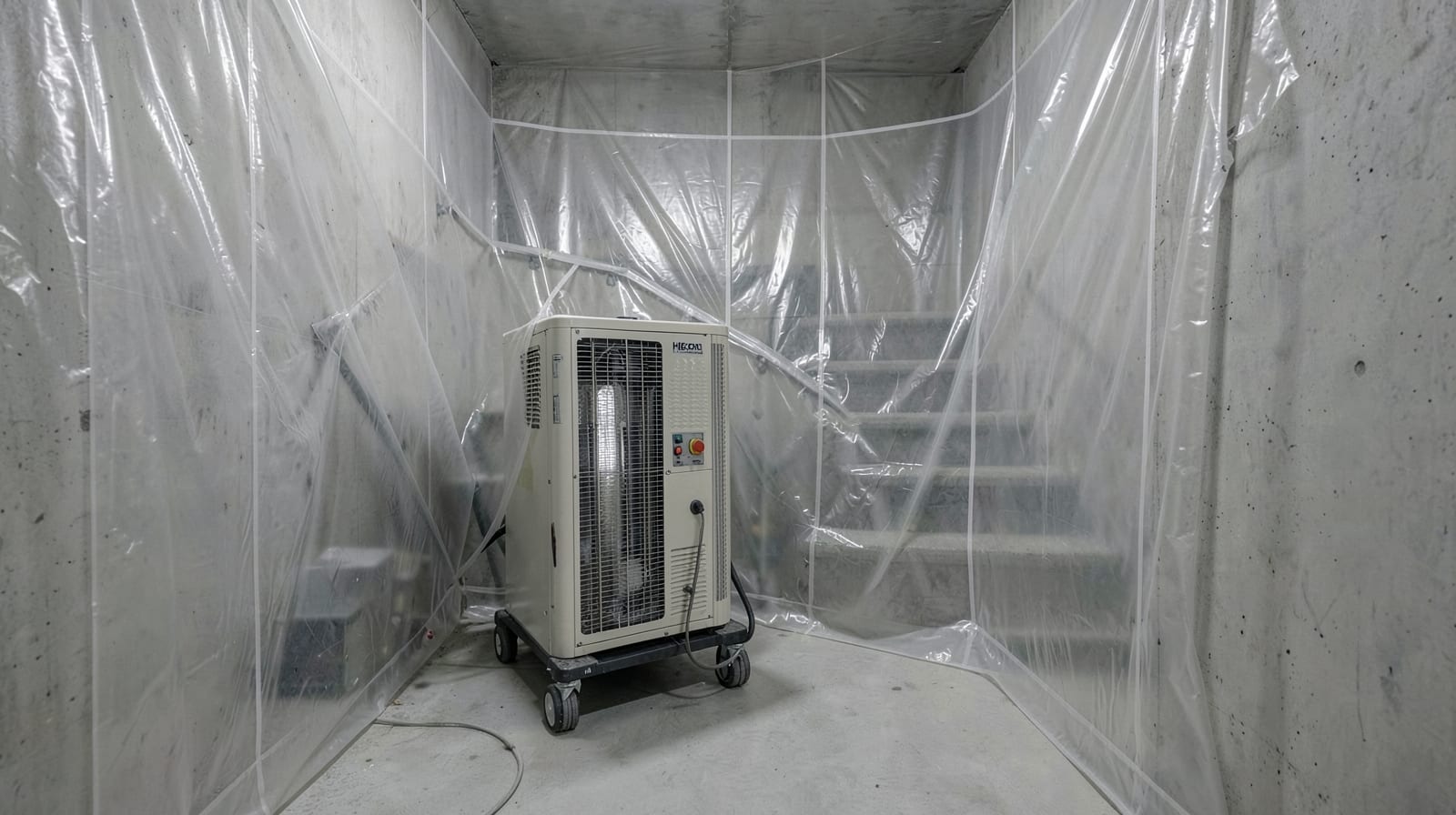
Stairwell Mold Remediation in Kensington Park, FL
Stairwell Mold Remediation for Kensington Park, FL properties — Kensington Park is a nearby community roughly 3.2 miles northeast of Sarasota.
Learn More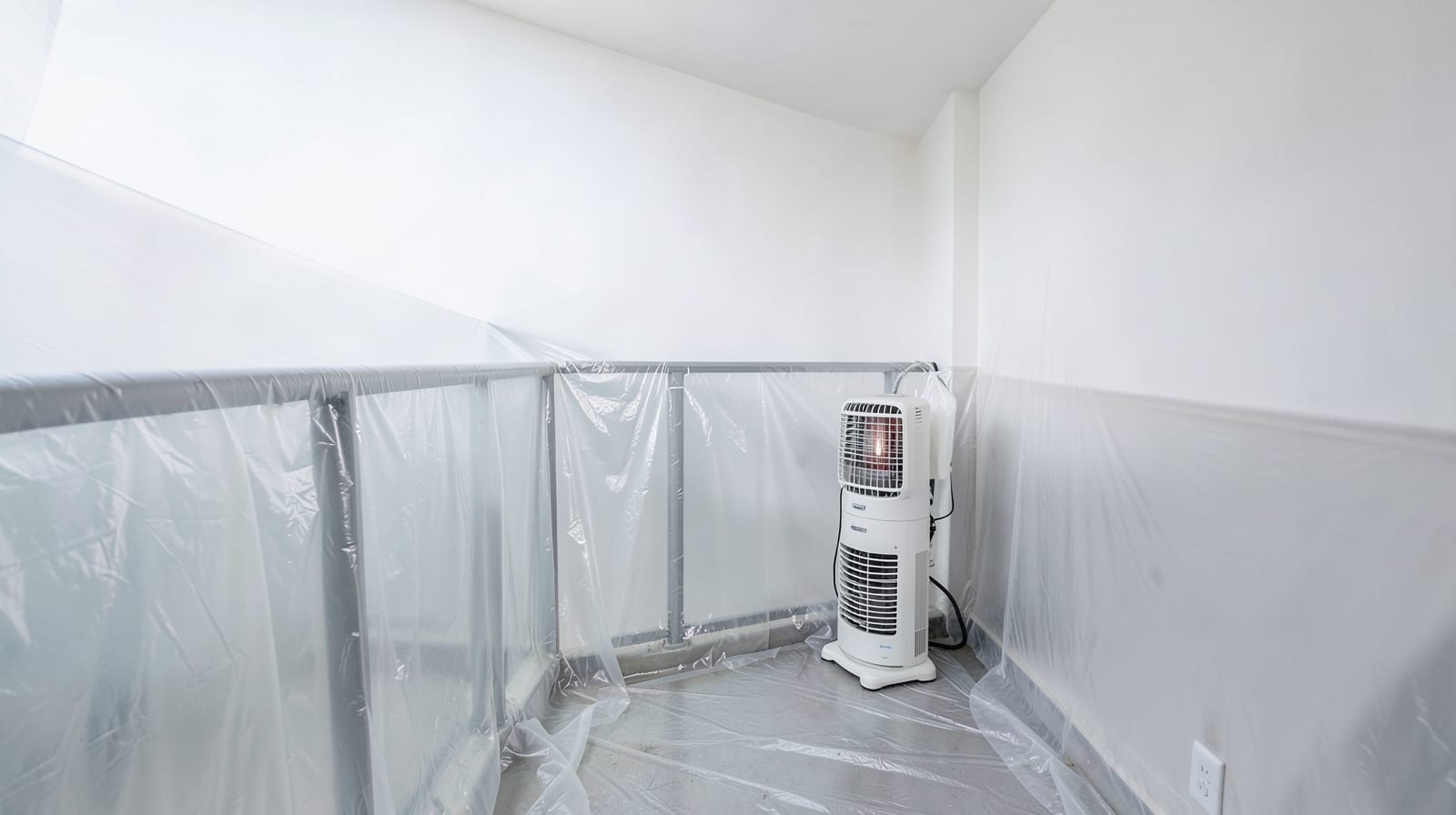
Balcony Mold Cleanup in Kensington Park, FL
Balcony Mold Cleanup for Kensington Park, FL properties — Kensington Park is a nearby community roughly 3.2 miles northeast of Sarasota.
Learn More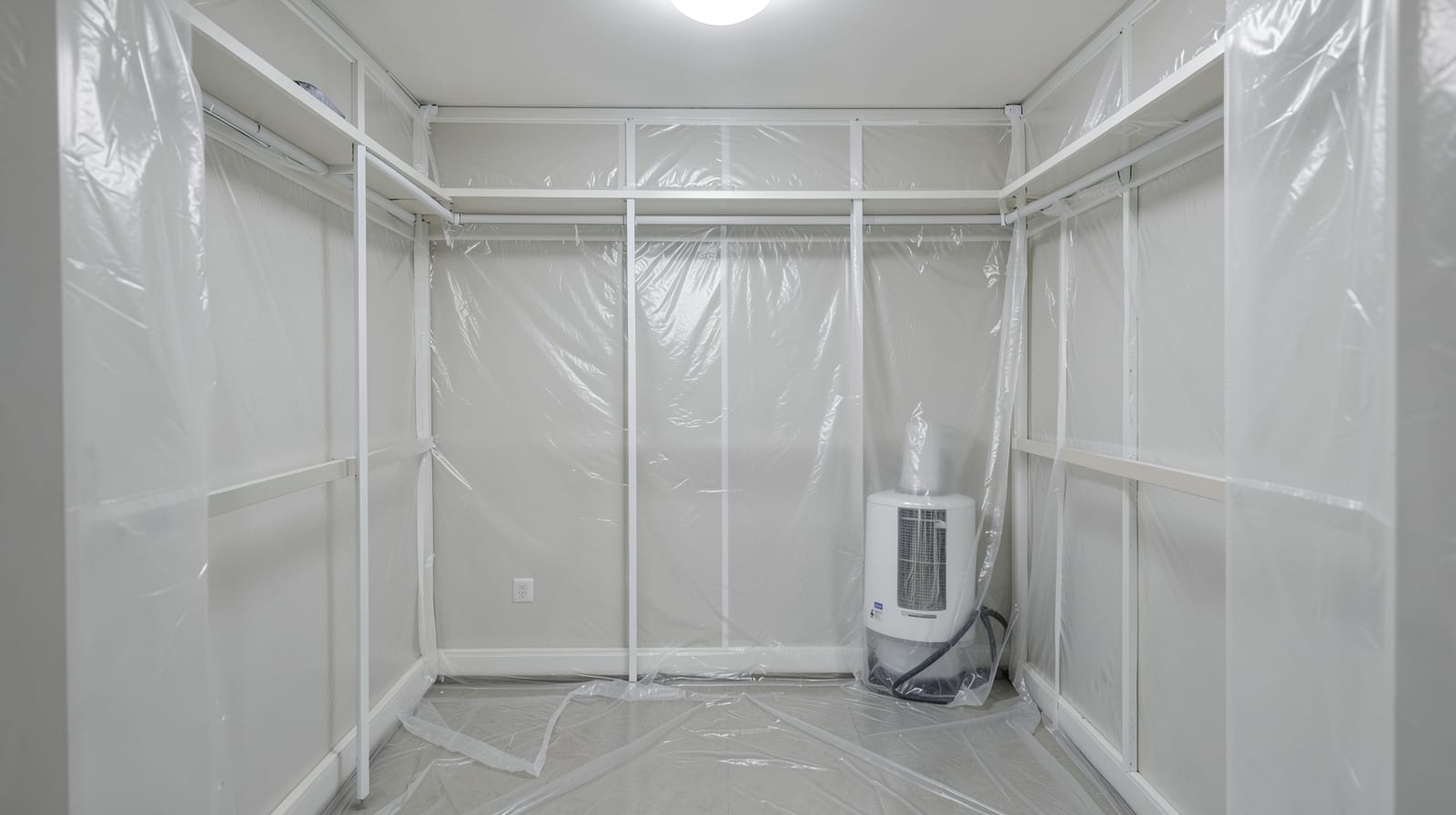
Closet Mold Cleanup in Kensington Park, FL
Closet Mold Cleanup for Kensington Park, FL properties — Kensington Park is a nearby community roughly 3.2 miles northeast of Sarasota.
Learn More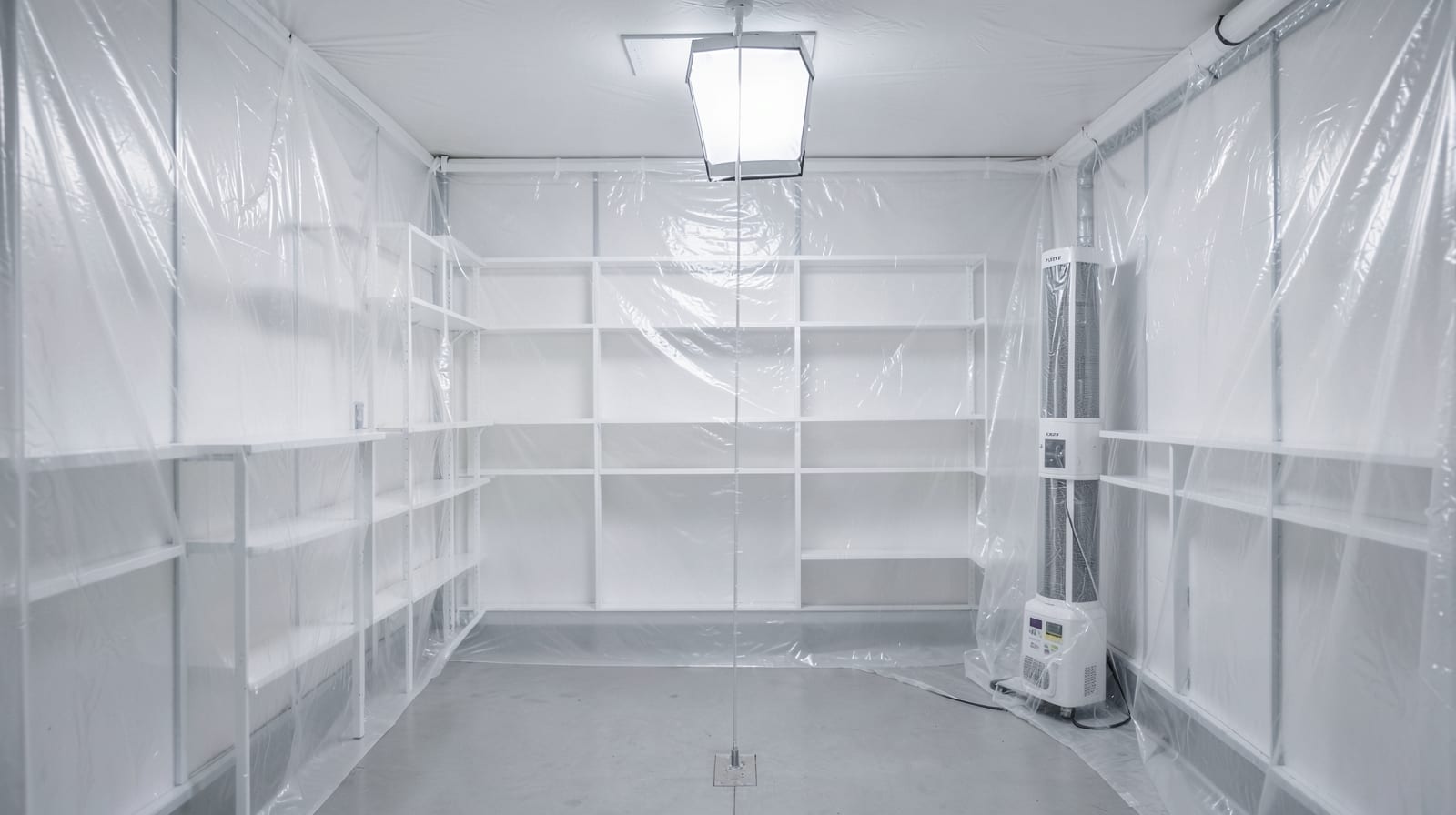
Pantry Mold Treatment in Kensington Park, FL
Pantry Mold Treatment for Kensington Park, FL properties — Kensington Park is a nearby community roughly 3.2 miles northeast of Sarasota.
Learn MoreHOA Mold Remediation in Kensington Park, FL
HOA Mold Remediation for Kensington Park, FL properties — Kensington Park is a nearby community roughly 3.2 miles northeast of Sarasota.
Learn More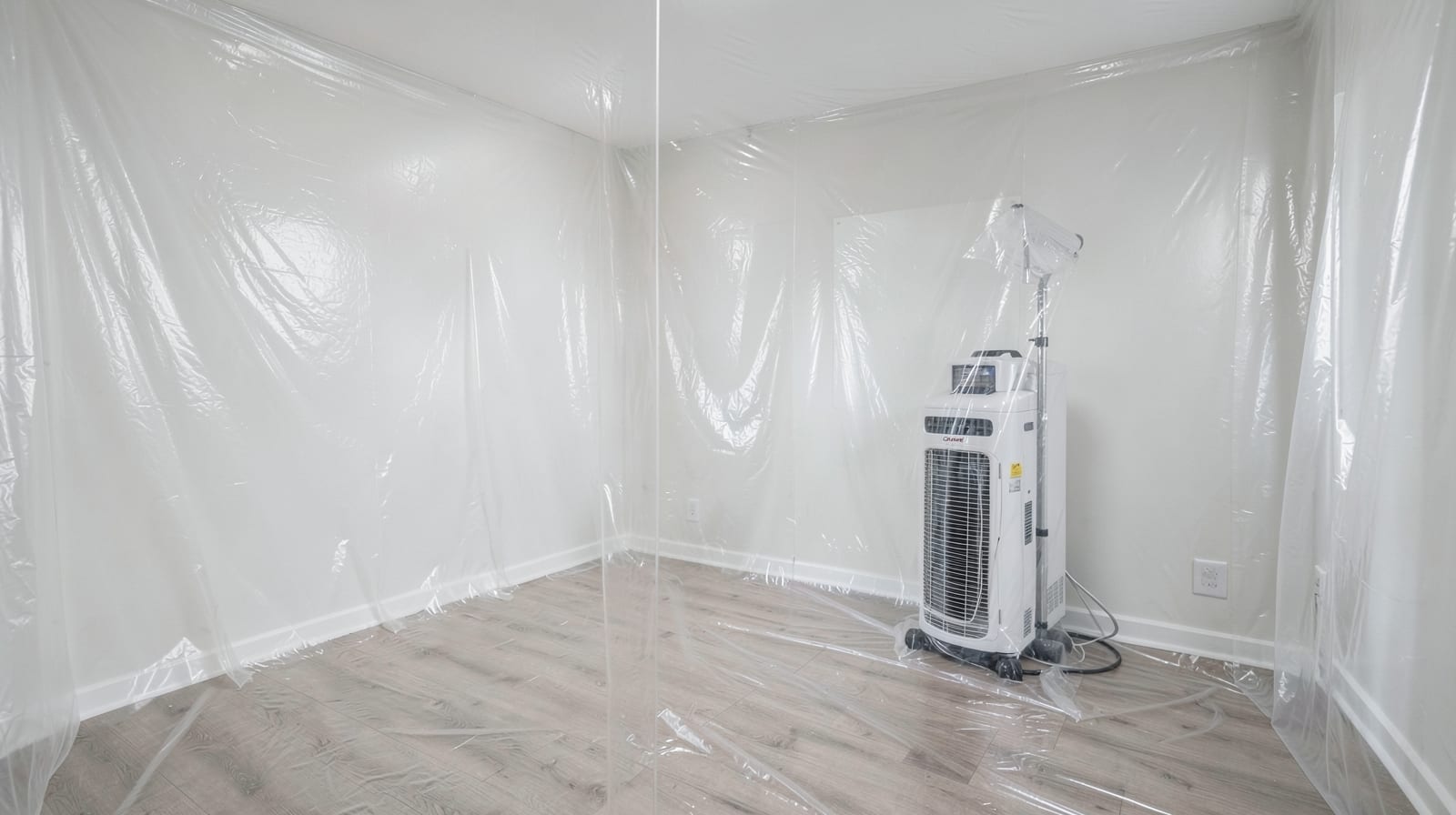
Condo Mold Remediation in Kensington Park, FL
Condo Mold Remediation for Kensington Park, FL properties — Kensington Park is a nearby community roughly 3.2 miles northeast of Sarasota.
Learn MoreOther Areas We Cover
Mold Remediation in Desoto Acres, FL
mold remediation for Desoto Acres, FL properties — Desoto Acres is a nearby community roughly 3.4 miles northeast of Sarasota.
Learn More
Mold Remediation in South Sarasota, FL
mold remediation for South Sarasota, FL properties — South Sarasota is a nearby community roughly 3.6 miles south of Sarasota.
Learn More
Mold Remediation in Desoto Lakes, FL
mold remediation for Desoto Lakes, FL properties — Desoto Lakes is a nearby community roughly 4 miles northeast of Sarasota.
Learn More
Mold Remediation in Ridge Wood Heights, FL
mold remediation for Ridge Wood Heights, FL properties — Ridge Wood Heights is a nearby community roughly 4.1 miles southeast of Sarasota.
Learn More
Mold Remediation in Siesta Key, FL
mold remediation for Siesta Key, FL properties — Siesta Key is a nearby community roughly 4.4 miles south of Sarasota. Siesta Key is a barrier island off.
Learn More
Mold Remediation in The Meadows, FL
mold remediation for The Meadows, FL properties — The Meadows is a nearby community roughly 4.6 miles east of Sarasota. The Meadows is a census-designated place.
Learn MoreCommon Questions About Mold Remediation in Kensington Park, FL
Everything you need to know about mold remediation services in Kensington Park, FL
How much does mold remediation typically cost in Kensington Park, FL?
Why does Kensington Park, FL's humidity make mold a bigger risk than in drier regions?
How does mold remediation actually prevent the problem from coming back?
Can mold growing inside HVAC ductwork spread to the rest of a home?
Does mold mean the same thing as mildew?
Does homeowners insurance typically cover mold remediation?
Need Mold Remediation in Sarasota?
Connect with local providers in Sarasota for a detailed quote.
⏰ We answer your call • Serving all of Sarasota and surrounding areas