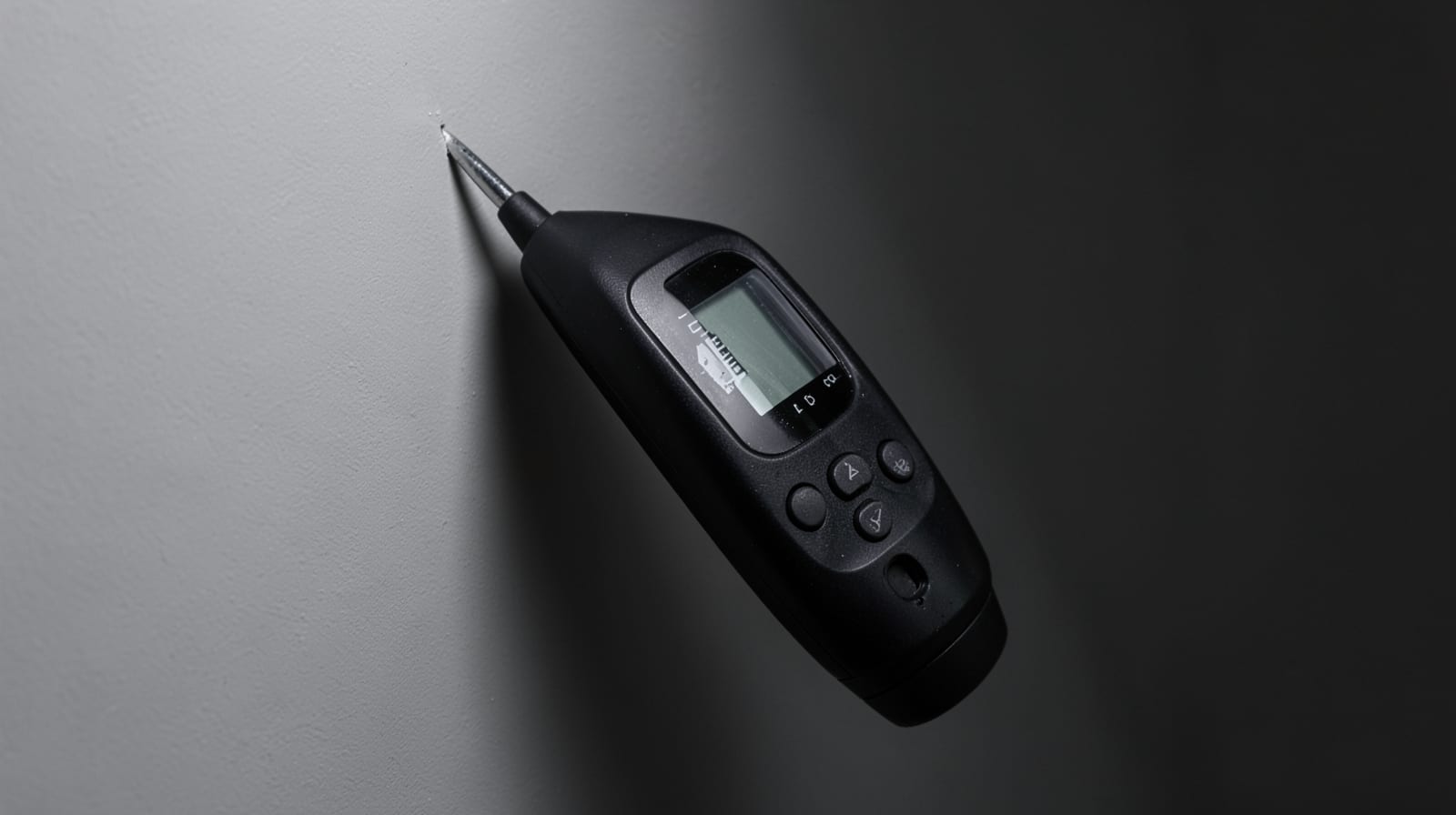
Mold Inspection
Mold inspection in Sarasota, FL — a visual and moisture-meter assessment that finds the source of growth, not just the visible spot on the wall.
A mold inspection in Sarasota, FL, identifies hidden growth, traces moisture sources, and maps affected areas to prevent recurrence. The city’s hot, humid climate and hurricane risks create ideal conditions for rapid mold spread, making early detection critical for protecting indoor air quality and structural integrity.
Why a mold inspection is needed
In Sarasota’s subtropical climate, mold can establish itself within 24–48 hours on damp surfaces. A professional inspection goes beyond visible signs—using moisture meters, thermal imaging, and air sampling—to locate hidden growth behind walls, under flooring, or in roof cavities. Without addressing the moisture source, remediation risks failure.
We also handle Crawl Space & Basement Mold Remediation and Attic Mold Remediation for Sarasota properties.
Homeowners often notice mold through musty odors, visible staining, or health symptoms linked to specific rooms. A past leak or flood, even if dried on the surface, can leave hidden moisture feeding growth. An inspection confirms the extent, species, and root cause before remediation begins.
Signs a Mold Inspection May Be Needed
- A persistent musty or earthy smell in closets, bathrooms, or crawl spaces that doesn’t fade with ventilation.
- Visible mold spots (black, green, brown, or dark speckles) on drywall, grout, window frames, or under carpeting.
- Health symptoms (sneezing, headaches, itchy eyes) that improve when avoiding a specific room or area.
- A history of leaks or floods—even if the surface appeared dry after cleanup—especially in basements or attics.
What the inspection covers
A thorough mold inspection includes a visual walkthrough, moisture detection, and sampling from affected and control areas. Spore-trap air samples and surface swabs are sent to an independent lab for species identification and spore concentration analysis, typically returning results in 2–5 business days.
The inspector also traces moisture to its source—roof leaks, plumbing, poor grading, or condensation—to prevent recurrence.
Florida law (Fla. Stat. §468.8419) requires that the same company cannot perform both assessment and remediation on the same property within 12 months, ensuring unbiased findings. The written report details affected materials, moisture sources, and square footage, serving as the basis for remediation planning.
What affects pricing and scope
Pricing for a mold inspection depends on the property size, accessibility of hidden areas, and whether additional testing (like thermal imaging) is required. A low quote may exclude containment protocols or clearance testing, which are critical for confirming remediation success.
Always request an itemized scope of work upfront to compare bids accurately.
Florida’s licensing rules separate mold assessors from remediators, so the inspection provider cannot also perform the cleanup. This separation protects homeowners from conflicts of interest in diagnosing and treating the problem.
| Factor | Impact on Inspection |
|---|---|
| Property size | Larger homes or complex layouts may require more time and equipment. |
| Hidden moisture sources | Accessing crawl spaces, attics, or wall cavities adds to the inspection duration. |
| Additional testing (thermal imaging, extended sampling) | Increases cost but improves accuracy in locating hidden growth. |
| Lab fees | Third-party lab analysis is standard; turnaround varies by lab but typically 2–5 days. |
How a mold inspection works
A professional inspection follows a structured process to identify mold growth, moisture sources, and affected areas.
- 1Visual and Moisture Assessment
The inspector examines the property for visible mold, staining, and musty odors, then uses moisture meters and thermal imaging to detect hidden dampness in walls, floors, and roof lines.
- 2Sampling Collection
Air and surface samples are taken from affected areas plus one unaffected control room to compare spore levels. Cross-contamination is avoided by using sterile tools and protective gear.
- 3Lab Analysis
Samples are sent to an independent, accredited lab for species identification and spore concentration testing, with results typically returned in 2–5 business days.
- 4Moisture Source Diagnosis
The inspector traces moisture to its origin—roof leaks, plumbing, poor grading, or condensation—to ensure remediation addresses the root cause.
- 5Written Report
Findings are documented in a scope report, including affected materials, moisture sources, and square footage, which guides remediation planning and compliance with Florida law.
Frequently asked questions
Can I tell if I have mold just by looking at it?
Visible mold is a clear sign, but growth often hides behind walls, under flooring, or in ventilation systems. Musty odors, health symptoms linked to specific rooms, or past leaks—even if dried—are also red flags. An inspection uses tools to locate hidden sources.
Will the inspection tell me what’s causing the mold?
Yes. The inspector identifies the moisture source—whether it’s a roof leak, plumbing issue, poor ventilation, or condensation—so you can fix the problem and prevent recurrence. A spore count alone doesn’t explain why the mold is there.
Do I need to be home during the inspection?
No. The inspector will contact you to discuss access and findings afterward, but the walkthrough and sampling can usually be completed while you’re away, provided you grant permission for entry.
Can I use a DIY test kit instead of a professional inspection?
DIY kits may detect mold presence but lack the precision of lab analysis or the ability to trace moisture sources. Florida law also requires licensed assessors for remediation planning, so professional inspections are necessary for accurate results and compliance.
Where Sarasota sits, and what the Census lists nearby
Sarasota sits in Florida, and the closest places listed in the U.S. Census Gazetteer are North Sarasota (1.8 miles northeast), Pinecraft (2.8 miles east), Southgate (3 miles southeast), Kensington Park (3.2 miles northeast). Within 25 miles of Sarasota the same source lists 43 distinct incorporated places and census-designated places.
Those figures matter for mold inspection because they are straight-line distances between Census coordinate points: road mileage between Sarasota and North Sarasota runs longer than the 1.8 miles shown, which is why quotes for the same job differ between towns that look close together on a map.
Source: U.S. Census Bureau Gazetteer.
See Ridge Wood Heights, FL for more, or see every option available in Sarasota in full for our complete lineup.
Ready to get started?
Talk to a local mold remediation pro in Sarasota — get a written quote.
Other Mold Remediation Services in Sarasota
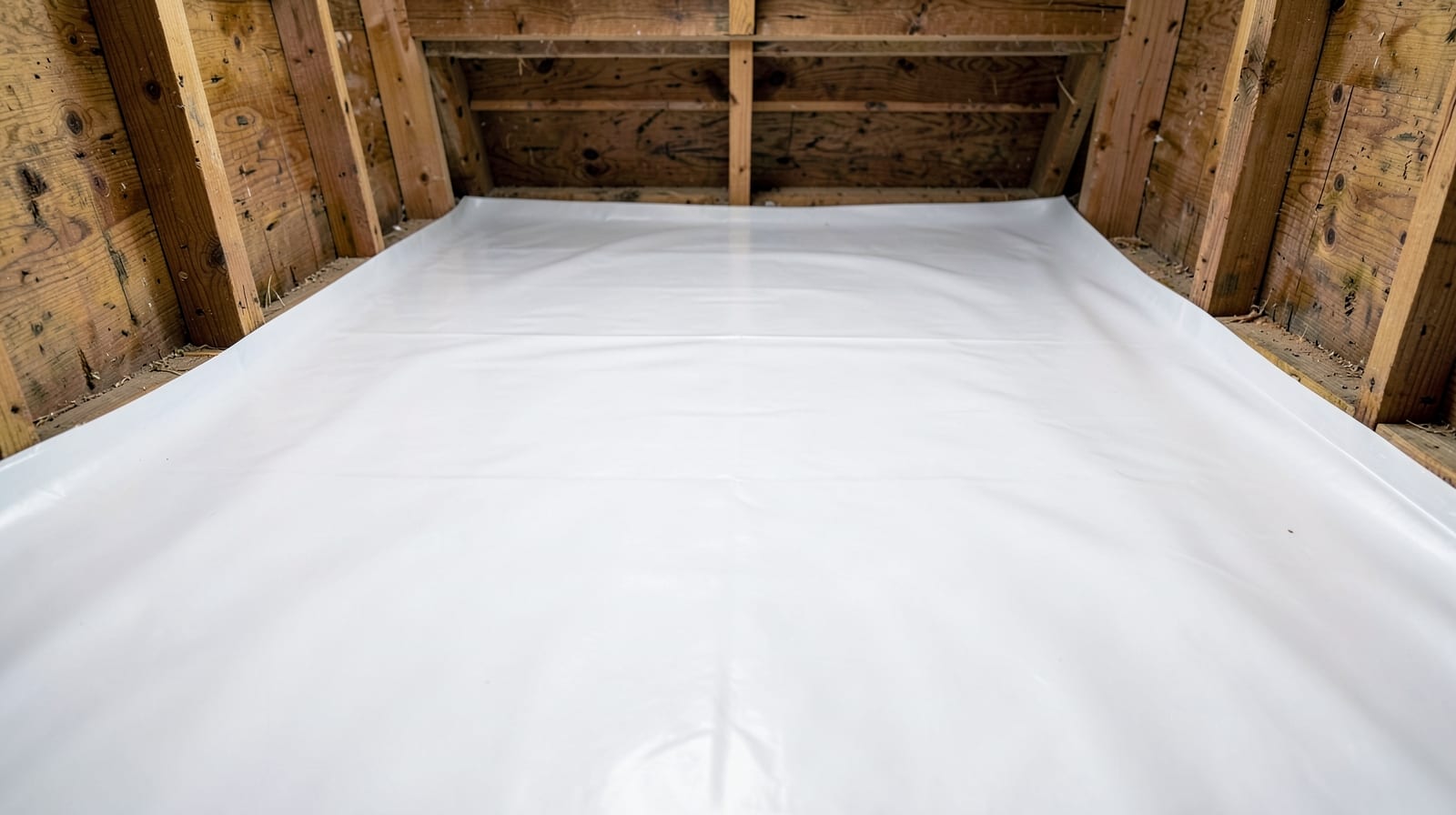
Crawl Space & Basement Mold Remediation in Sarasota, FL
Crawl space and basement mold remediation in Sarasota, FL addresses the two areas of a property most prone to trapped, unnoticed moisture.
Learn More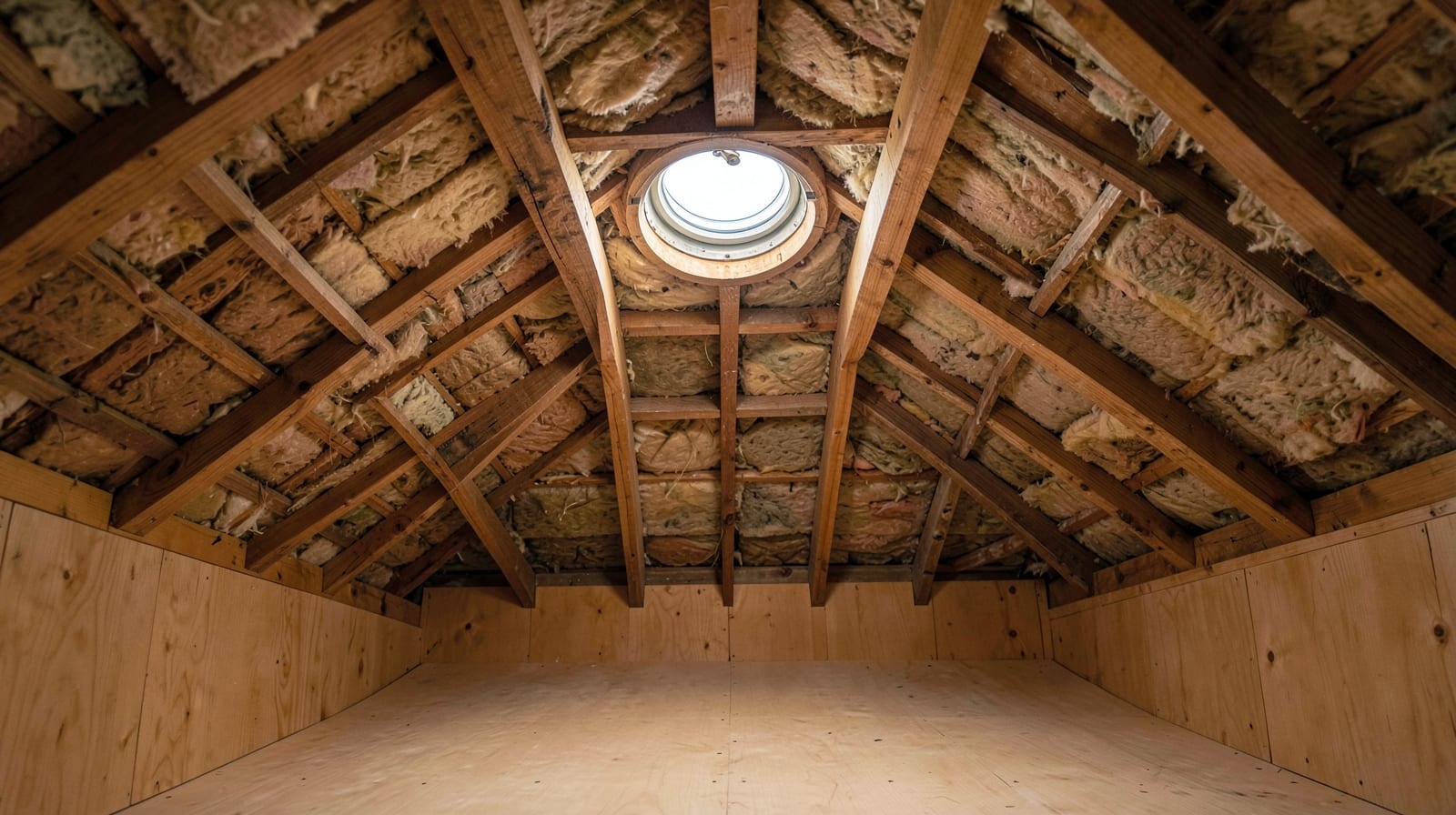
Attic Mold Remediation in Sarasota, FL
Attic mold remediation in Sarasota, FL addresses roof-deck growth typically caused by poor ventilation or a hidden roof leak.
Learn More
Commercial Mold Remediation in Sarasota, FL
Commercial mold inspection and remediation in Sarasota, FL for offices, retail space, and multi-unit properties, scheduled around business operations.
Learn More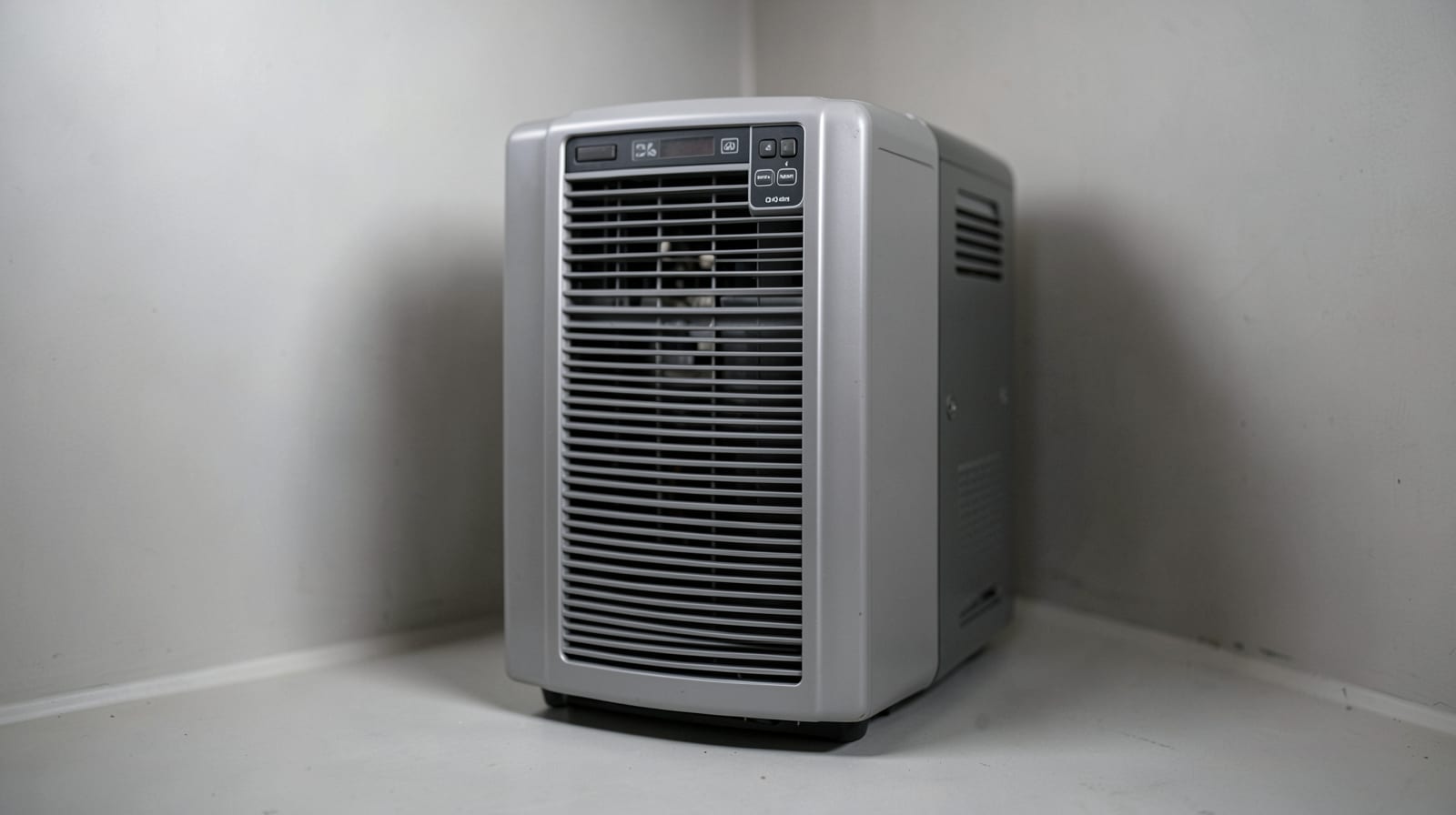
Mold Prevention & Moisture Control in Sarasota, FL
Mold prevention and moisture control in Sarasota, FL — addressing ventilation, humidity, and drainage before growth starts, not after.
Learn More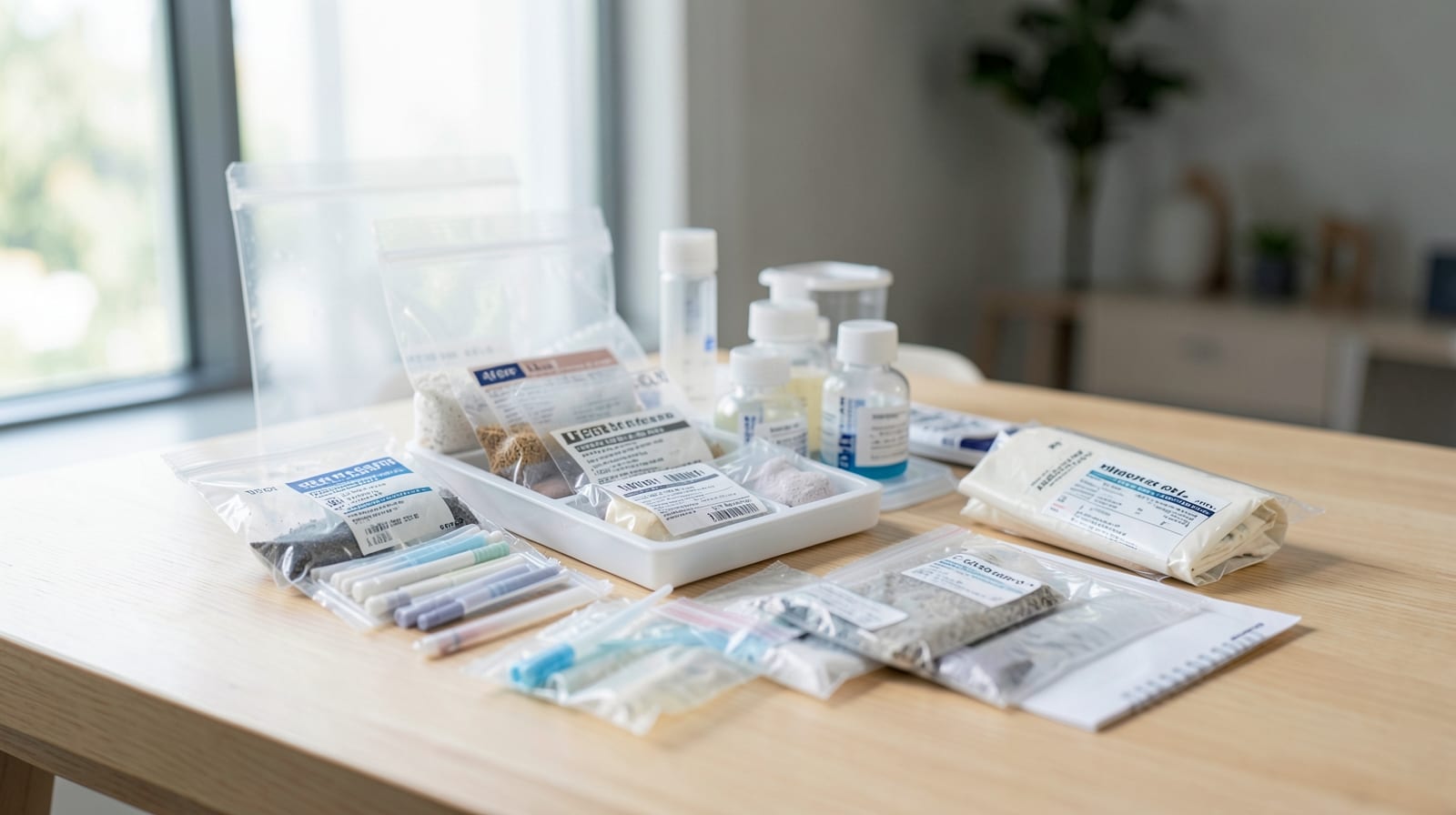
Mold & Asbestos Testing in Sarasota, FL
Combined mold and asbestos testing in Sarasota, FL — one inspection visit, lab-verified results for both. Serving Sarasota, FL and the surrounding area.
Learn More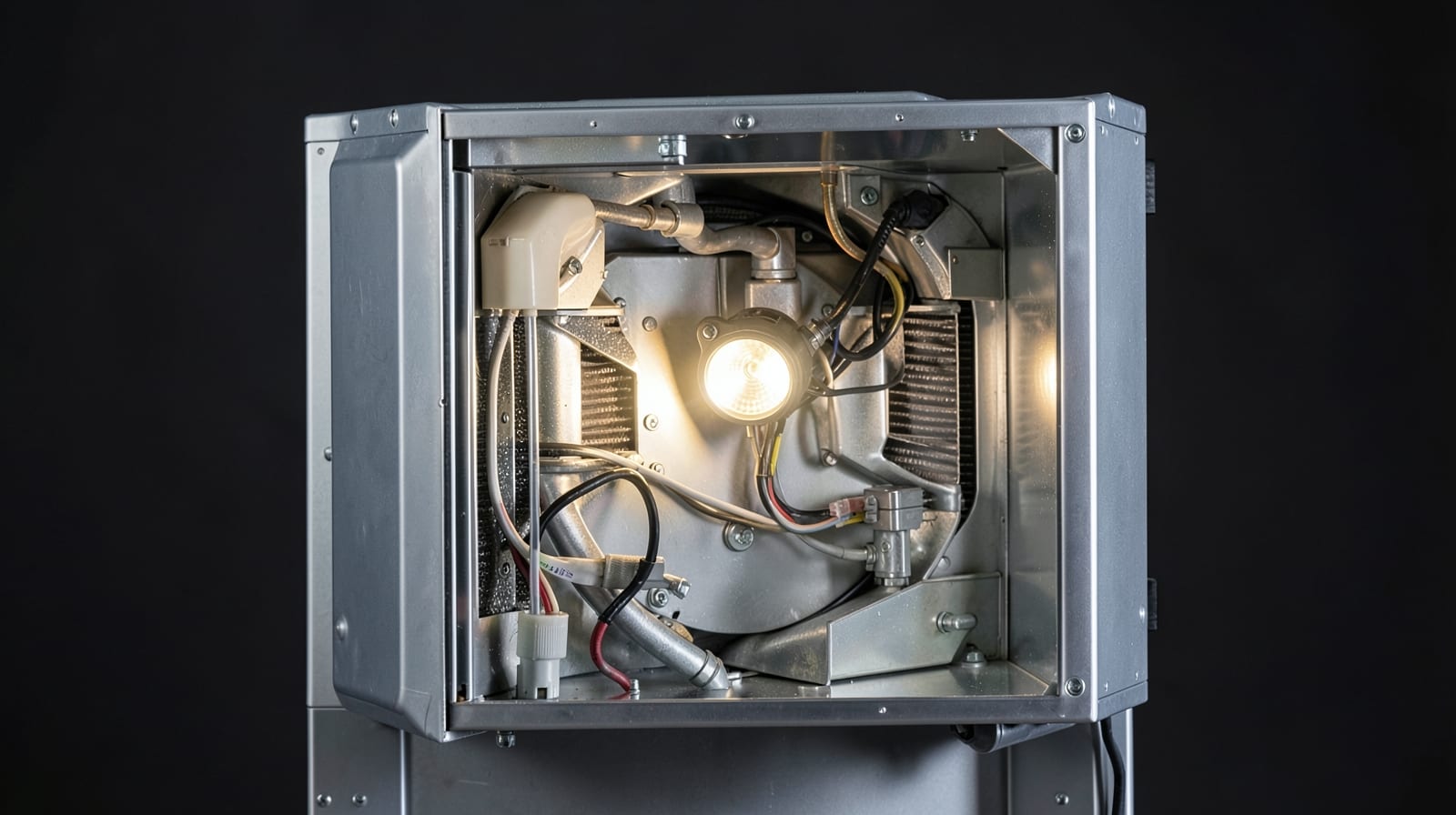
HVAC Mold Remediation in Sarasota, FL
HVAC and ductwork mold remediation in Sarasota, FL — mold growing inside the air handler or duct system, spreading through every vent.
Learn MoreCommon Questions About Mold Remediation in Sarasota
Everything you need to know about mold remediation services in Sarasota
How much does Mold Inspection typically cost in Sarasota, FL?
Why does Sarasota, FL's humidity make mold a bigger risk than in drier regions?
How does mold remediation actually prevent the problem from coming back?
Can mold growing inside HVAC ductwork spread to the rest of a home?
Does mold mean the same thing as mildew?
Does homeowners insurance typically cover mold remediation?
Need Mold Remediation in Sarasota?
Connect with local providers in Sarasota for a detailed quote.
⏰ We answer your call • Serving all of Sarasota and surrounding areas