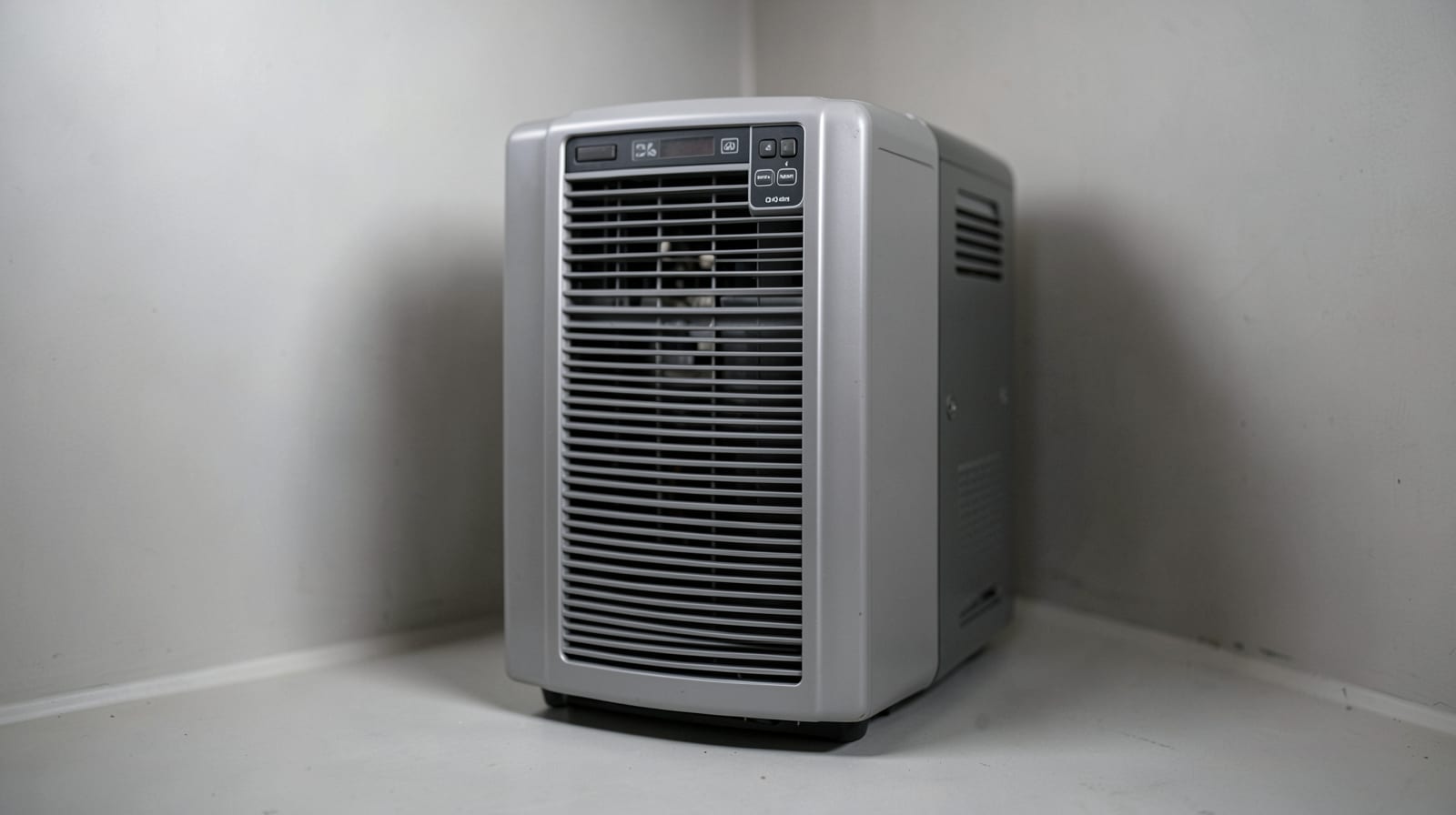
Mold Prevention & Moisture Control
Mold prevention and moisture control in Sarasota, FL — addressing ventilation, humidity, and drainage before growth starts, not after.
Mold prevention and moisture control in Sarasota, FL, focuses on stopping mold growth before it starts by addressing excess humidity, poor ventilation, and hidden moisture sources.
Unlike remediation, which targets existing mold, prevention eliminates the conditions that allow it to thrive in the first place, protecting your home’s air quality and structural integrity over time.
We also handle HOA Mold Remediation and Condo Mold Remediation for Sarasota properties.
When mold work stops being a DIY job
Mold growth often begins small, but certain signs indicate it’s time to call a professional. The most common threshold is size: mold covering more than 25 contiguous square feet typically requires licensed remediation, as defined by state guidelines.
This rule applies even if the mold appears harmless—hidden growth behind walls or in ductwork can spread far beyond what’s visible.
Recurring mold in the same spot after cleaning usually means the moisture source wasn’t addressed. A musty smell with no visible mold often signals hidden growth, especially if the odor worsens when the HVAC system runs. In these cases, professional assessment and containment are critical to prevent wider contamination.
Signs Professional Mold Work Is Needed
- Mold covers more than 25 square feet in one area (state-defined threshold for licensed work).
- Growth returns in the same spot after cleaning, suggesting an unresolved moisture issue.
- A musty odor persists with no visible mold, possibly indicating hidden growth in walls or ductwork.
- The smell worsens when HVAC runs, suggesting mold is spreading through air vents.
How mold remediation differs from prevention
Remediation targets existing mold by removing contaminated materials and treating affected areas, while prevention focuses on eliminating the conditions that allow mold to grow.
Containment, HEPA filtration, and moisture control are key steps in remediation, but prevention also includes fixing leaks, improving ventilation, and adjusting humidity levels to stop future growth.
Skipping containment or using non-HEPA equipment during remediation can spread spores to unaffected areas, turning a small job into a larger one. Prevention, however, requires addressing the root cause—such as grading issues, poor airflow, or condensation—to ensure mold doesn’t return.
What affects mold work costs in Sarasota?
Pricing for mold remediation in Sarasota typically ranges from $10 to $25 per square foot, depending on the severity and type of mold. Confirmed black mold (Stachybotrys) often increases costs by 15–25% due to stricter containment and disposal requirements.
Additional factors like hidden growth, structural drying needs, and clearance testing can also influence the final price.
Quotes should clearly separate inspection, remediation, and prevention costs—some providers bundle services, while others charge extra for containment or third-party testing. Always confirm whether the estimate includes fixing the moisture source, as remediation without this step often leads to regrowth.
| Factor | Impact on Cost |
|---|---|
| Mold type (e.g., black mold vs. surface mold) | Black mold increases costs by 15–25% due to stricter protocols. |
| Hidden growth (behind walls, under flooring) | Requires demolition and extended containment, raising labor and material costs. |
| Moisture source repair (leaks, grading, ventilation) | Often priced separately; skipping it risks regrowth and repeat work. |
| Clearance testing (third-party lab verification) | Added cost but ensures the job meets safety standards. |
How mold prevention & moisture control works
This process combines containment, removal, and prevention to eliminate mold and stop its return.
- 1Containment Setup
Plastic sheeting and negative-air machines seal the work area to prevent spores from spreading during removal. This step is critical for keeping unaffected rooms free of contamination.
- 2Material Removal or Treatment
Porous materials like drywall or carpet padding, which absorb mold, are cut out and bagged. Non-porous surfaces like tile or framing are scrubbed and treated with antimicrobial solutions.
- 3HEPA Filtration & Structural Drying
HEPA air scrubbers run continuously to capture airborne spores, and industrial dehumidifiers dry framing and subfloors to prevent regrowth. This step ensures moisture levels return to normal before containment is removed.
- 4Clearance Testing
An independent lab tests air or surfaces for remaining spores. Results confirm the space meets safety standards before the area is considered complete.
- 5Moisture Source Fix
Leaks, poor ventilation, or grading issues are repaired to eliminate the conditions that allowed mold to grow in the first place.
Frequently asked questions
Can I clean small mold patches myself, or should I call a professional?
Small, isolated patches (under 25 sq ft) can often be cleaned with household products like vinegar or bleach, but only if the moisture source is addressed first. If the mold keeps returning or covers a larger area, professional remediation is safer to prevent hidden spread.
Why does my musty smell keep coming back after cleaning?
A persistent musty odor usually means mold is growing in hidden areas—like inside walls, under flooring, or in ductwork—where cleaning doesn’t reach. Professional assessment with moisture meters or air testing can pinpoint the source.
Do I need clearance testing after mold remediation?
Clearance testing confirms spores are back to safe levels. While not always required by law, it’s the only way to verify the job was fully effective, especially in cases where regrowth is a risk.
How do I prevent mold from coming back in damp rooms like bathrooms or basements?
Improve airflow with exhaust fans or dehumidifiers, fix leaks promptly, and ensure proper grading away from the foundation. Checking humidity levels regularly helps catch moisture issues early.
Where Sarasota sits, and what the Census lists nearby
Sarasota sits in Florida, and the closest places listed in the U.S. Census Gazetteer are North Sarasota (1.8 miles northeast), Pinecraft (2.8 miles east), Southgate (3 miles southeast), Kensington Park (3.2 miles northeast). Within 25 miles of Sarasota the same source lists 43 distinct incorporated places and census-designated places.
Those figures matter for mold prevention & moisture control because they are straight-line distances between Census coordinate points: road mileage between Sarasota and North Sarasota runs longer than the 1.8 miles shown, which is why quotes for the same job differ between towns that look close together on a map.
Source: U.S. Census Bureau Gazetteer.
See Pinecraft, FL for more, or see the rest of our Sarasota lineup on a single page for our complete lineup.
Ready to get started?
Talk to a local mold remediation pro in Sarasota — get a written quote.
Other Mold Remediation Services in Sarasota
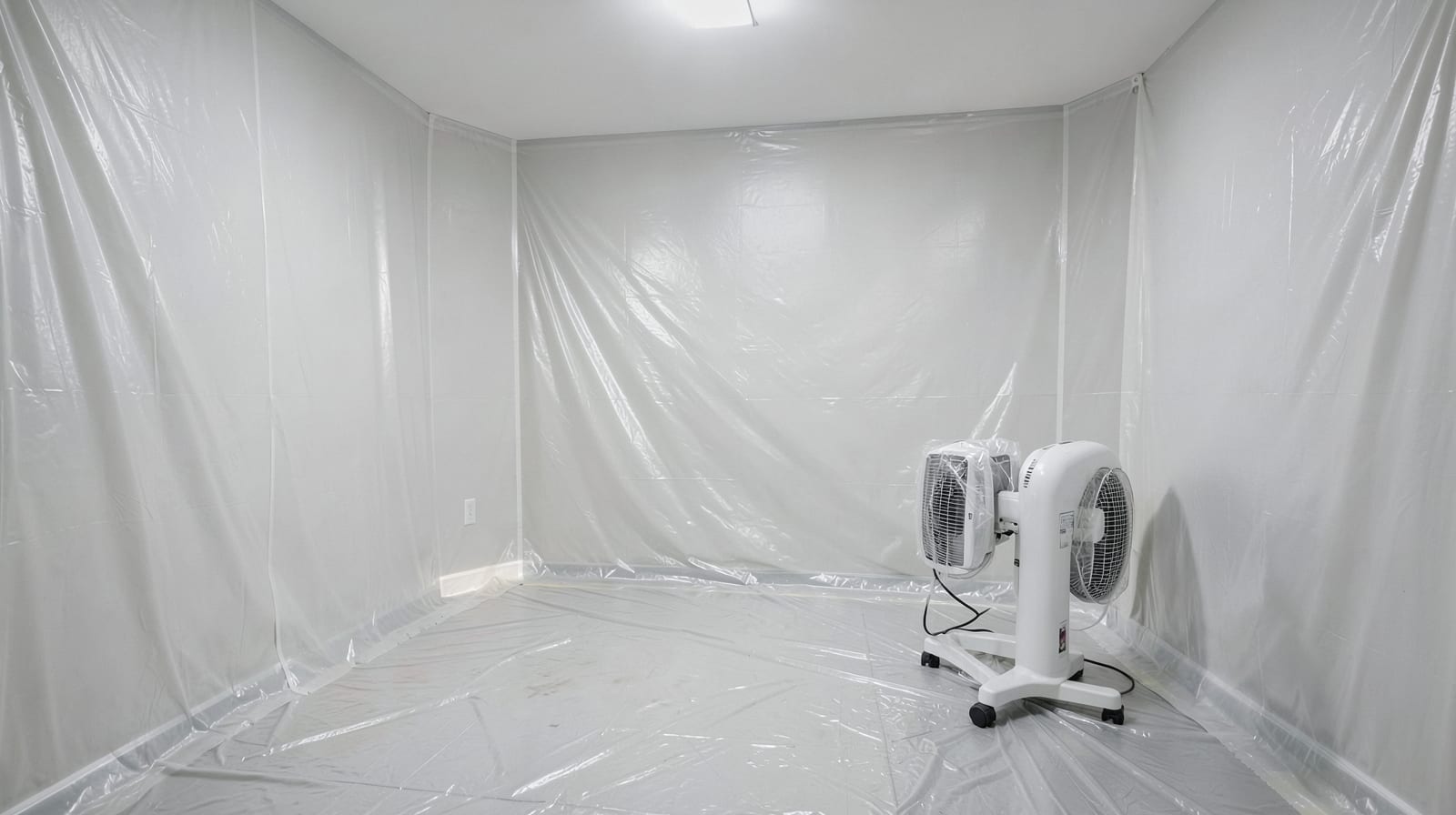
HOA Mold Remediation in Sarasota, FL
Professional mold removal and remediation for HOA properties to restore safe, healthy living conditions. Serving Sarasota, FL and the surrounding area.
Learn More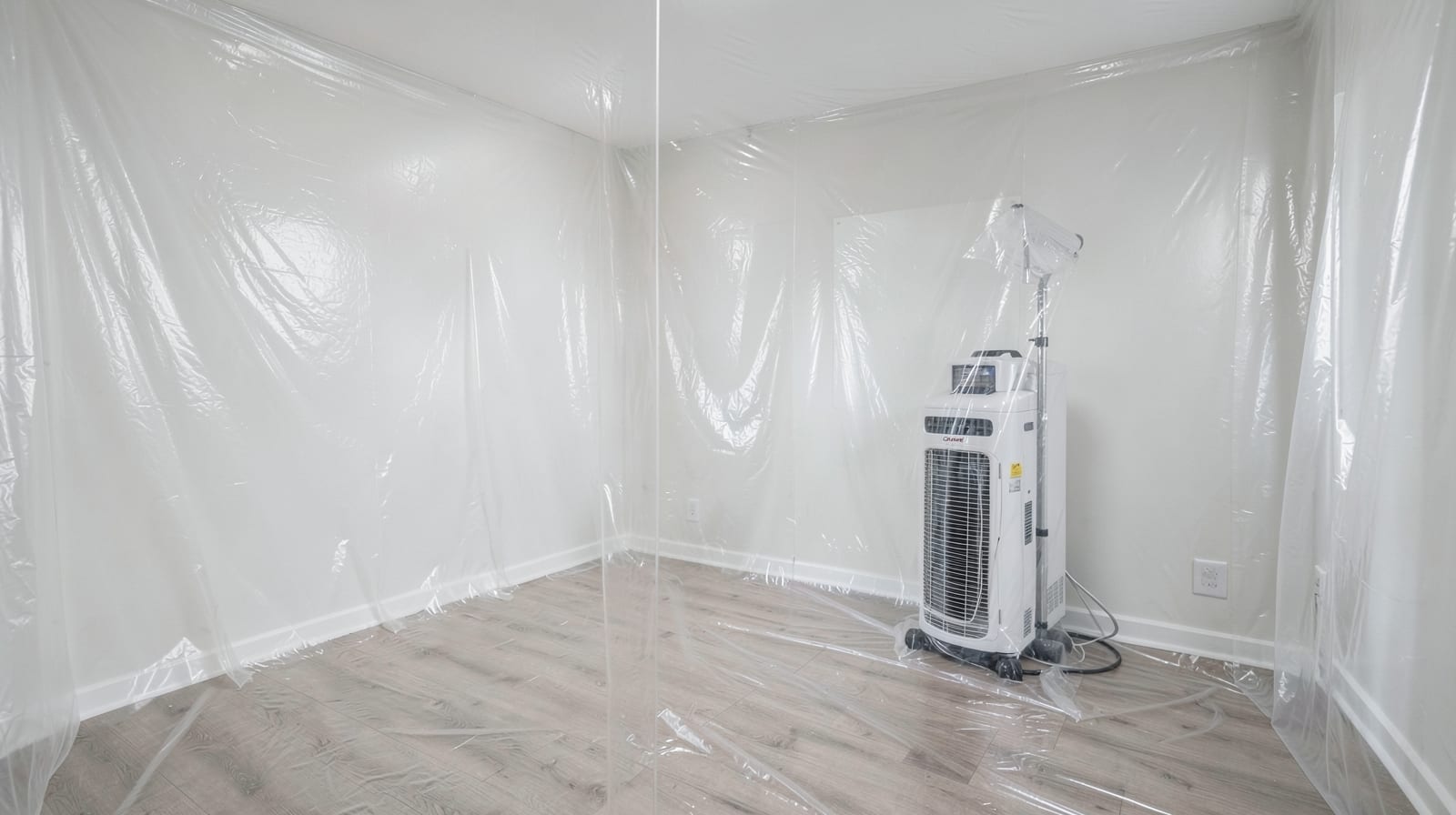
Condo Mold Remediation in Sarasota, FL
Condo Mold Remediation in Sarasota, FL — professional removal and treatment of mold in condominiums to restore safe, healthy living spaces.
Learn More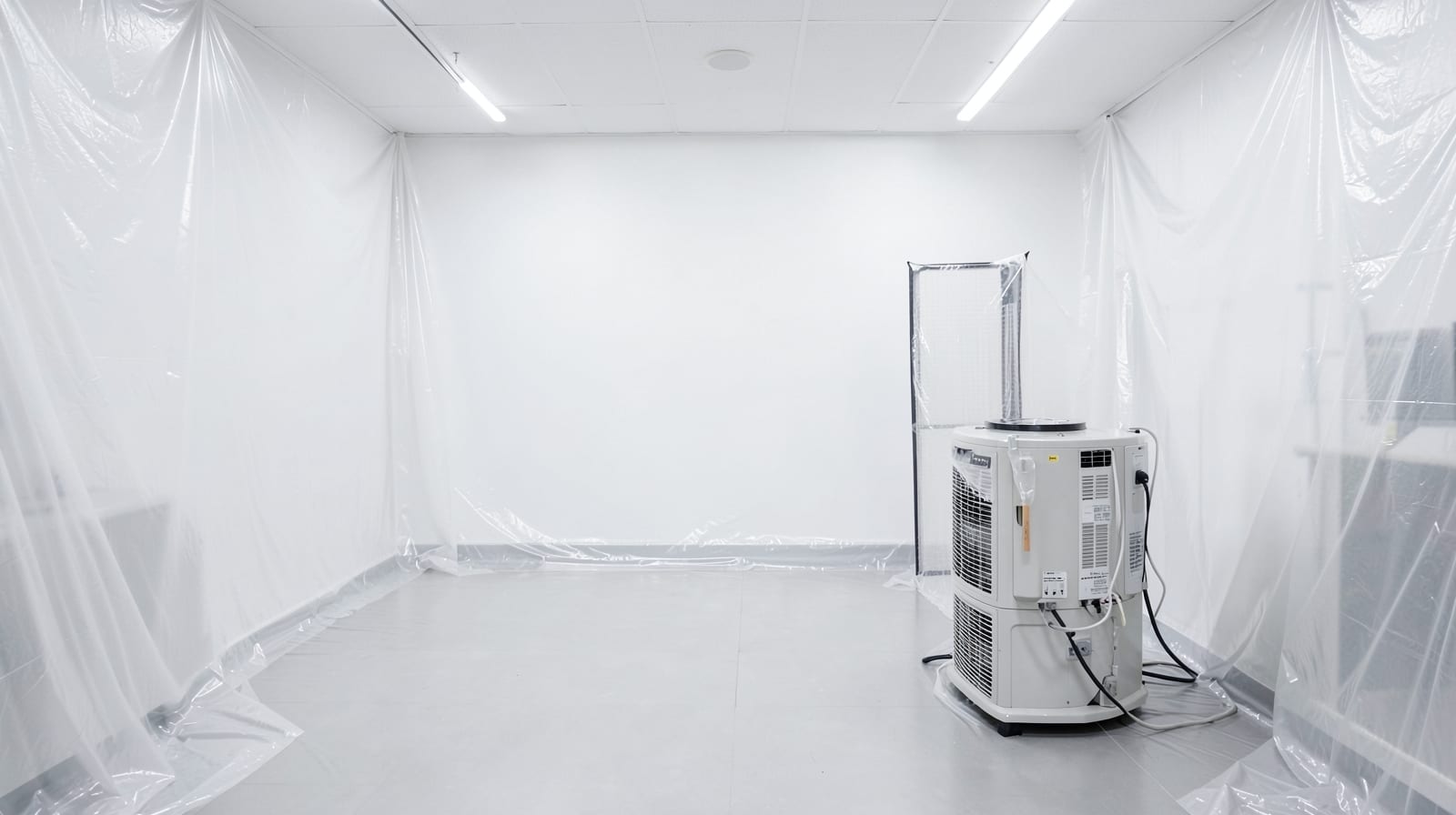
Retail Store Mold Remediation in Sarasota, FL
Professional mold removal and remediation for retail stores to restore safe, clean environments. Serving Sarasota, FL and the surrounding area.
Learn More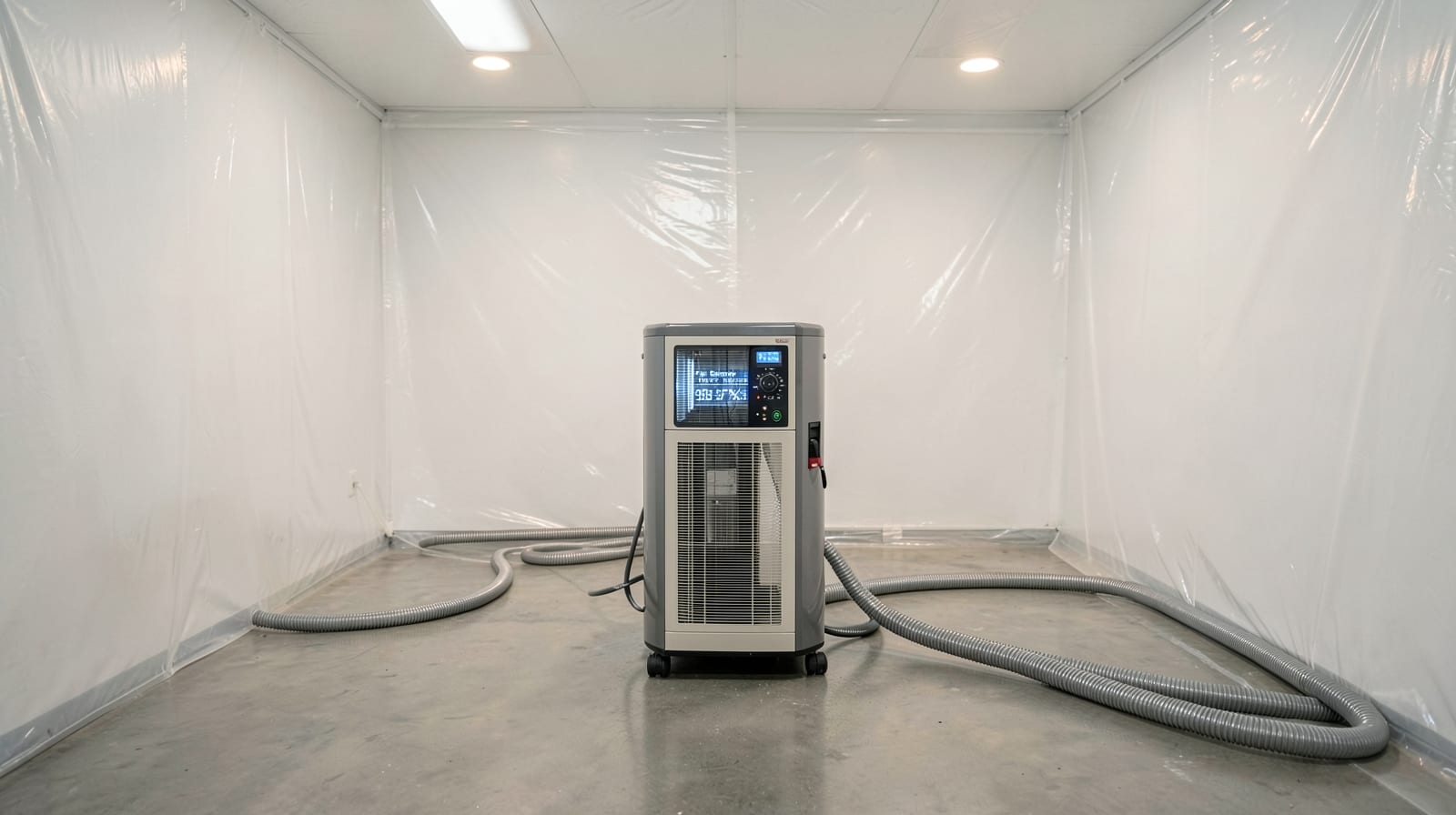
Clinic Mold Remediation in Sarasota, FL
Clinic Mold Remediation in Sarasota, FL — professional mold removal and remediation to restore safe, healthy indoor spaces.
Learn More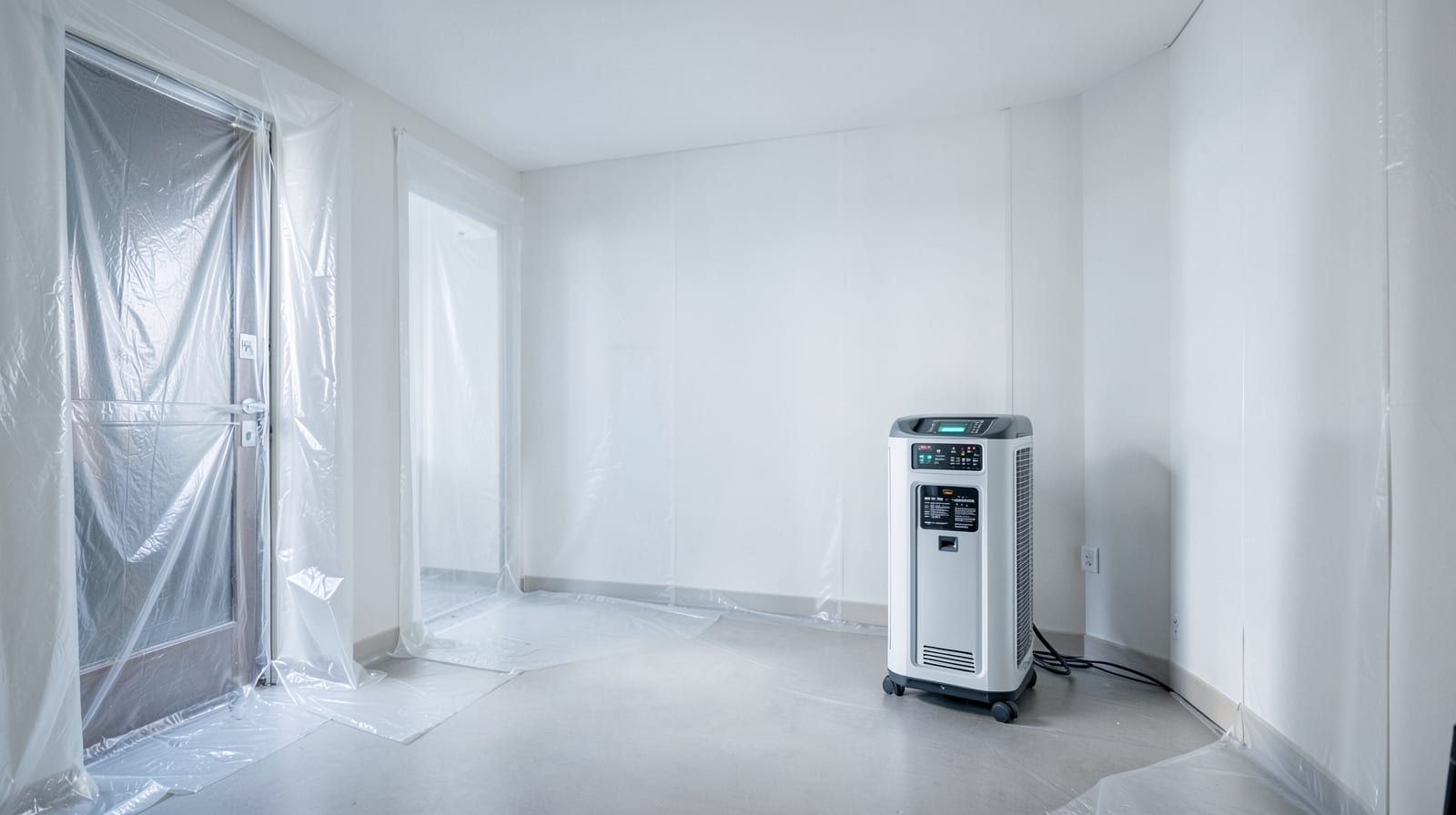
Hotel Mold Remediation in Sarasota, FL
Hotel Mold Remediation in Sarasota, FL — professional removal and treatment of mold growth in hotel properties to restore safe, clean environments.
Learn More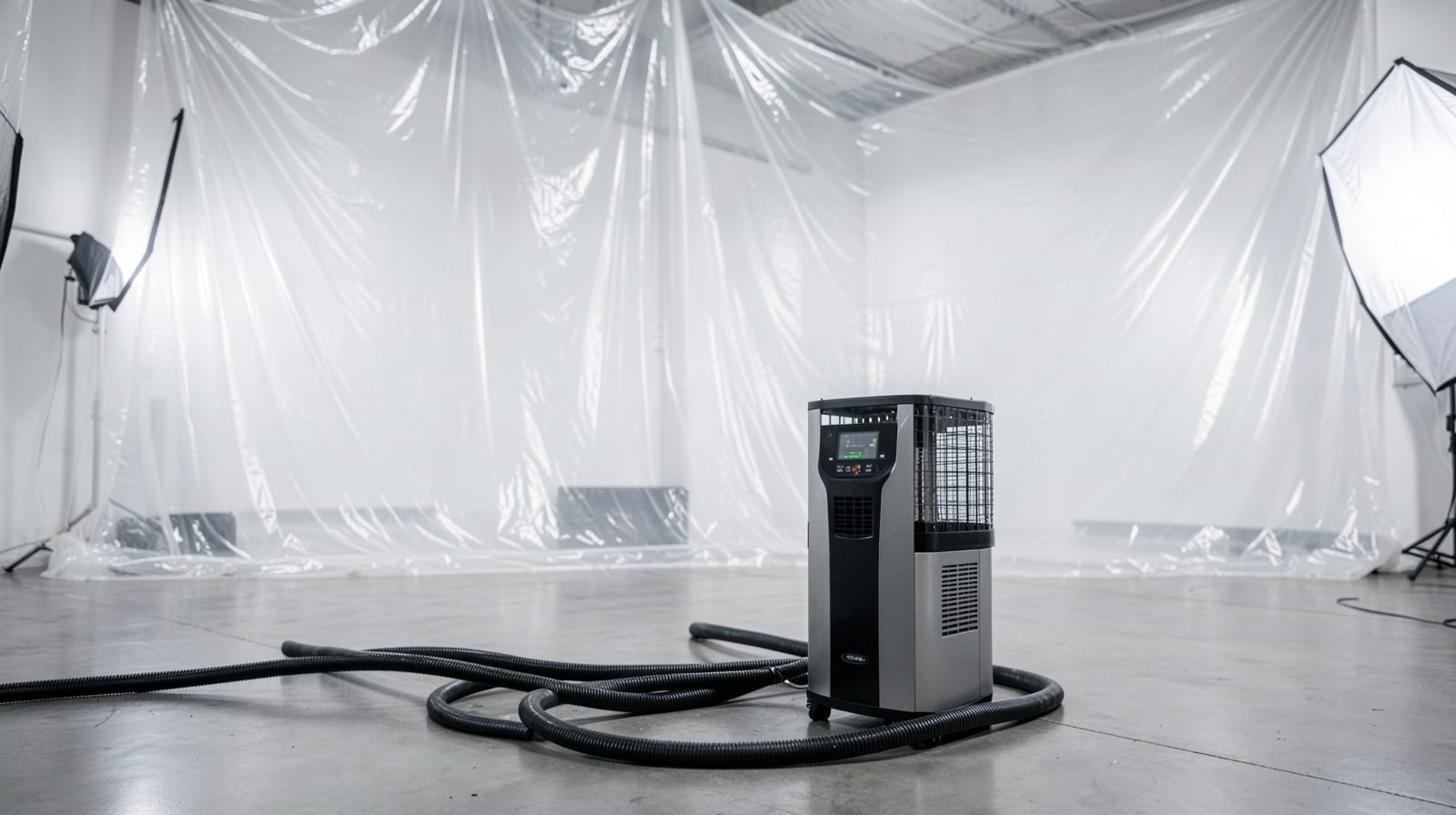
Gym Mold Remediation in Sarasota, FL
Gym Mold Remediation in Sarasota, FL — professional removal and treatment of mold in gyms to restore safe, clean environments.
Learn MoreCommon Questions About Mold Remediation in Sarasota
Everything you need to know about mold remediation services in Sarasota
How much does Mold Prevention & Moisture Control typically cost in Sarasota, FL?
Why does Sarasota, FL's humidity make mold a bigger risk than in drier regions?
Is a final clearance test part of a typical mold remediation job?
How does mold remediation actually prevent the problem from coming back?
Can mold growing inside HVAC ductwork spread to the rest of a home?
Does mold mean the same thing as mildew?
Need Mold Remediation in Sarasota?
Connect with local providers in Sarasota for a detailed quote.
⏰ We answer your call • Serving all of Sarasota and surrounding areas